
Create a Dream Wedding Budget Without Breaking the Bank
10 Smart Strategies to a Dream Wedding Budget Without Breaking the Bank
Planning a wedding can be an exhilarating journey, but it often comes with a hefty price tag that can make any couple's dreams feel overwhelming. Fortunately, creating a dream wedding budget doesn't have to mean emptying your savings account or sacrificing your vision. In this article, we'll explore ten smart strategies to help you craft a beautiful and memorable wedding without breaking the bank. From prioritizing what truly matters to exploring creative alternatives and leveraging the right resources, these tips will empower you to take control of your finances while still bringing your dream day to life. Say goodbye to financial stress and hello to a day filled with love and joy as you embark on this exciting adventure together. Let's dive in and discover how to make your big day a celebration that fits not just your heart, but also your budget!
Understanding the Importance of a Wedding Budget
Planning a wedding is one of the most exhilarating experiences a couple can share, yet it often comes with significant financial pressure. Setting a wedding budget is crucial because it provides a clear financial framework within which to plan your big day. Without a budget, it’s easy to overspend on non-essentials, leaving you with financial strain that can overshadow the joy of your celebration. A well-thought-out budget ensures that every dollar is allocated wisely, allowing you to enjoy your wedding without worrying about financial repercussions.
Creating a wedding budget also helps in prioritizing your expenditures. It forces you to consider what aspects of the wedding are most important to you and your partner, and where you might be willing to compromise. By understanding the costs associated with different elements of the wedding, from the venue to the attire, you can make informed decisions that align with your financial capabilities. This not only helps in managing your finances but also in setting realistic expectations for your wedding day.
Moreover, a wedding budget can serve as a tool for communication and collaboration between you and your partner. Planning a wedding involves numerous decisions, and having a budget can facilitate open discussions about financial priorities and responsibilities. This collaborative approach can strengthen your relationship and ensure that both parties are on the same page, reducing the potential for misunderstandings and financial stress.

Setting Realistic Expectations for Your Dream Wedding
One of the first steps in creating a wedding budget is setting realistic expectations for your dream wedding. It's easy to get swept up in the extravagant ideas and images often portrayed in wedding magazines and social media. However, recognizing the difference between what you envision and what is financially attainable is key to a successful and stress-free planning process. Begin by discussing with your partner what aspects of the wedding are most important to both of you. This could include the venue, the guest list, the catering, or the entertainment.
Once you have a clear understanding of your priorities, it’s important to research the costs associated with these elements. This will give you a realistic idea of how much you need to allocate for each aspect of your wedding. For example, if having a particular venue is non-negotiable, you might need to adjust your budget in other areas to accommodate this expense. Conversely, if having a large guest list is a priority, you might need to consider more affordable options for catering or decor.
Setting realistic expectations also involves being prepared for unexpected expenses. Weddings often come with hidden costs that can quickly add up, such as service charges, taxes, and gratuities. By building a buffer into your budget for these unforeseen expenses, you can avoid last-minute financial stress. Remember, the goal is to create a memorable and enjoyable wedding day without compromising your financial well-being.
The First Steps to Creating Your Wedding Budget
The first step in creating your wedding budget is to determine your total available funds. This includes any contributions from family members, your savings, and any other sources of income you plan to use for the wedding. Having a clear picture of your total budget will help you understand your financial boundaries and make informed decisions throughout the planning process. Be sure to have an open and honest conversation with anyone contributing to the budget to avoid any misunderstandings.
Next, create a detailed list of all potential wedding expenses. This list should include major categories such as the venue, catering, attire, photography, and entertainment, as well as smaller details like invitations, favors, and transportation. By breaking down your budget into specific categories, you can allocate funds more effectively and ensure that no aspect of the wedding is overlooked. This comprehensive approach will help you stay organized and on track as you plan your big day.
Once you have your list of expenses, it’s time to assign a portion of your budget to each category. Start by allocating funds to the highest priority items, such as the venue and catering, and then work your way down to the less critical elements. Be sure to leave some flexibility in your budget for any adjustments that may be needed as you finalize your plans. This step-by-step approach will provide a clear roadmap for your wedding budget, making it easier to manage your finances and stay within your limits.
Prioritizing Your Wedding Expenses
Prioritizing your wedding expenses is a crucial step in managing your budget effectively. Begin by identifying the elements of your wedding that are most important to you and your partner. These could be the venue, the guest experience, the food, or the photography. By focusing on what truly matters to you, you can ensure that your budget reflects your priorities and helps you create the wedding of your dreams.
Once you have identified your top priorities, allocate a larger portion of your budget to these areas. For example, if having a stunning venue is important to you, you might choose to spend more on the location and cut back on other areas like decor or entertainment. Conversely, if you value having a memorable dining experience, you might allocate more funds to catering and opt for a more affordable venue. This approach ensures that your budget is aligned with your vision and helps you make informed decisions.
It’s also important to consider areas where you can save money without compromising your overall vision. For example, you might choose to DIY certain elements of your wedding, such as the decor or invitations, to save on costs. Additionally, consider negotiating with vendors to see if they can offer any discounts or package deals. By being strategic and flexible with your budget, you can prioritize your expenses and still create a beautiful and memorable wedding day.
Prioritize Your Must-Haves
When planning a wedding on a budget, the first step is to sit down with your partner and prioritize the elements that matter most to both of you. This could be the venue, the dress, the food, or even the photography. By identifying your must-haves, you can allocate a larger portion of your budget to these key areas and cut back on less important aspects. This ensures that the most meaningful parts of your day are exactly how you envisioned them, without unnecessary spending on items that don't hold as much significance.
Start by making a list of everything you want at your wedding and categorize them into essentials and non-essentials. Essentials are the aspects you both feel are indispensable to making your day special, while non-essentials are nice-to-haves but not deal-breakers. This exercise not only helps in budget allocation but also in making decisions quicker when compromises are needed. For instance, if you both decide that having a live band is non-negotiable, you might be more willing to opt for a simpler cake or DIY decorations.
Once you have your priorities set, communicate them clearly with your vendors and anyone else involved in the planning process. This transparency ensures everyone is on the same page and helps avoid misunderstandings that could lead to unexpected expenses. Prioritizing also means you'll be more focused during your planning, reducing the risk of getting sidetracked by less important details that can drain your budget.
Tips for Saving on Venue Costs
The venue is often one of the most significant expenses in a wedding budget, but there are several ways to save on this cost without sacrificing your dream location. One of the most effective strategies is to be flexible with your wedding date. Venues often offer lower rates for off-peak seasons, weekdays, or less popular times of the year. By choosing a date that falls outside of the peak wedding season, you can potentially save a significant amount on your venue rental.
Another way to save on venue costs is to consider non-traditional locations. Instead of booking a high-end hotel or a popular wedding venue, explore alternative options such as parks, community centers, or private homes. These locations can be more affordable and offer a unique and personalized setting for your wedding. Additionally, many non-traditional venues may allow you to bring in your own vendors, giving you more control over your budget.
Finally, consider combining your ceremony and reception at the same location. This approach can save you money on transportation and venue rental fees, as well as simplify the logistics of your wedding day. Many venues offer package deals that include both the ceremony and reception, which can be more cost-effective than booking separate locations. By being creative and flexible with your venue choices, you can find a beautiful and affordable location for your wedding.
Creative Ideas for Affordable Catering Options
Catering is another significant expense in a wedding budget, but there are several creative ways to save on this cost while still providing a delicious and memorable dining experience for your guests. One option is to consider a buffet or family-style meal instead of a traditional plated dinner. Buffets and family-style meals can be more affordable because they require less staff and allow guests to serve themselves, reducing labor costs.
Another cost-saving idea is to choose a venue that allows you to bring in your own caterer or even prepare your own food. This can give you more control over your catering budget and allow you to choose more affordable menu options. If you have friends or family members who are skilled in the kitchen, consider asking them to help with the food preparation. This can add a personal touch to your wedding and save you money on catering costs.
Additionally, consider offering a limited menu with fewer options. While it's tempting to provide a wide variety of food choices, a smaller menu can be more cost-effective and still satisfy your guests. Focus on high-quality ingredients and dishes that reflect your personal tastes and preferences. By being strategic with your catering choices, you can create a memorable dining experience for your guests without breaking the bank.
Budget-Friendly Wedding Attire: Finding the Perfect Dress
Finding the perfect wedding dress is a dream for many brides, but it doesn't have to come with a hefty price tag. One of the best ways to save on wedding attire is to shop during sales or sample sales. Many bridal boutiques offer significant discounts on dresses during these events, allowing you to find a beautiful gown at a fraction of the original cost. Be sure to keep an eye out for these sales and be prepared to act quickly, as the best deals often go fast.
Another option is to consider buying a pre-owned wedding dress. There are several websites and consignment shops that specialize in pre-owned wedding attire, offering designer gowns at a reduced price. Many of these dresses have only been worn once and are in excellent condition. Buying a pre-owned dress not only saves you money but also promotes sustainability by giving a second life to a beautiful gown.
If you're open to a less traditional look, consider wearing a non-bridal dress for your wedding. Many evening gowns and formal dresses can make stunning wedding attire at a fraction of the cost of a traditional wedding gown. Look for dresses in white, ivory, or other bridal colors, and don't be afraid to think outside the box. By being flexible and open-minded, you can find the perfect dress that fits both your style and your budget.
DIY Decor: How to Personalize Your Wedding on a Budget
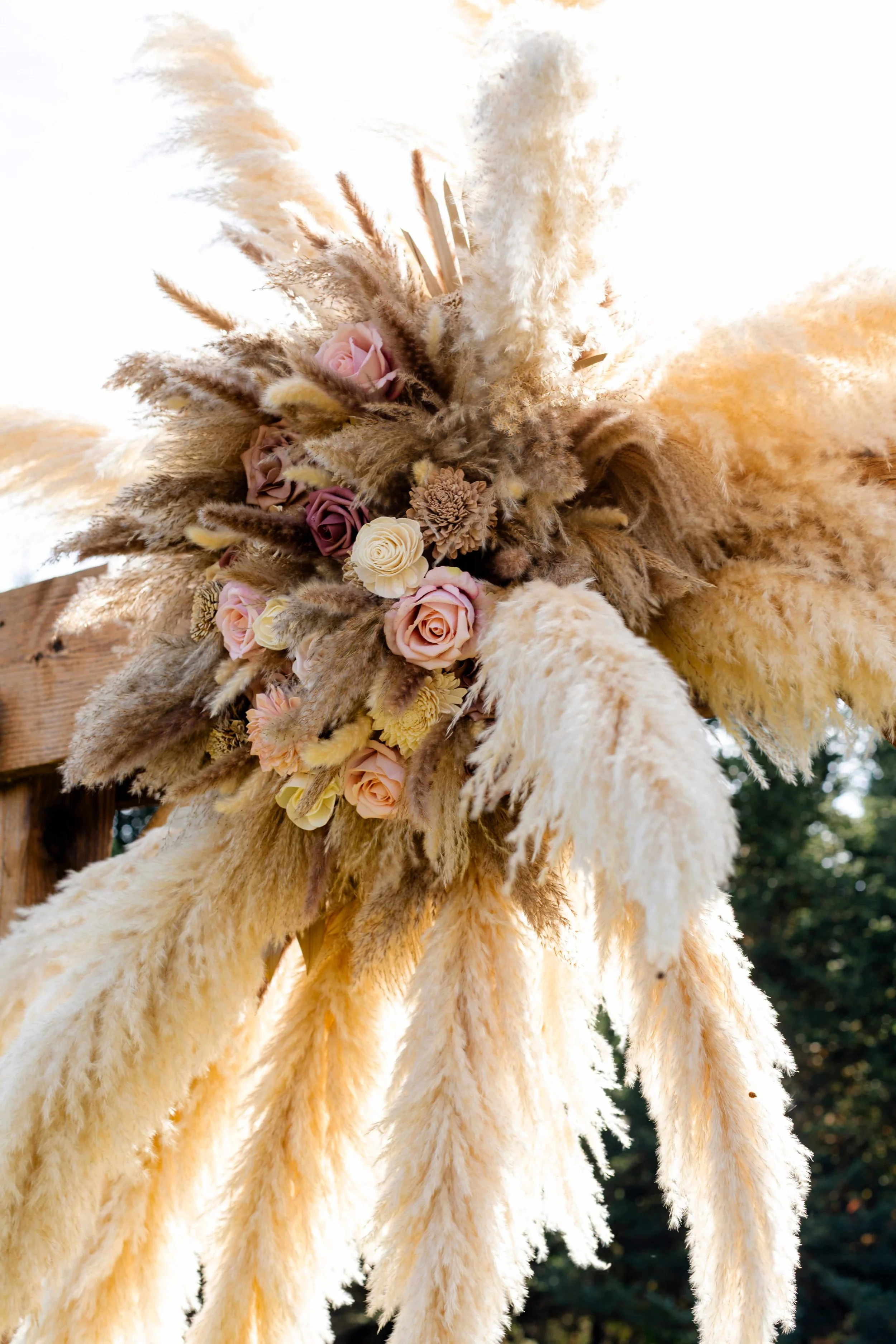
One of the most effective ways to save money on your wedding is to take a DIY approach to your decor. Creating your own decorations not only saves money but also allows you to personalize your wedding and add a unique touch to your celebration. Start by identifying the key elements of your decor, such as centerpieces, table settings, and ceremony backdrops, and consider how you can create these items yourself or with the help of friends and family.
There are countless DIY wedding decor ideas available online, from simple and elegant centerpieces to elaborate ceremony arches. Pinterest and wedding blogs are excellent resources for inspiration and step-by-step tutorials. Focus on projects that match your skill level and available time, and don't be afraid to enlist the help of friends and family for larger projects. A DIY decor party can be a fun and productive way to get everyone involved in the planning process.
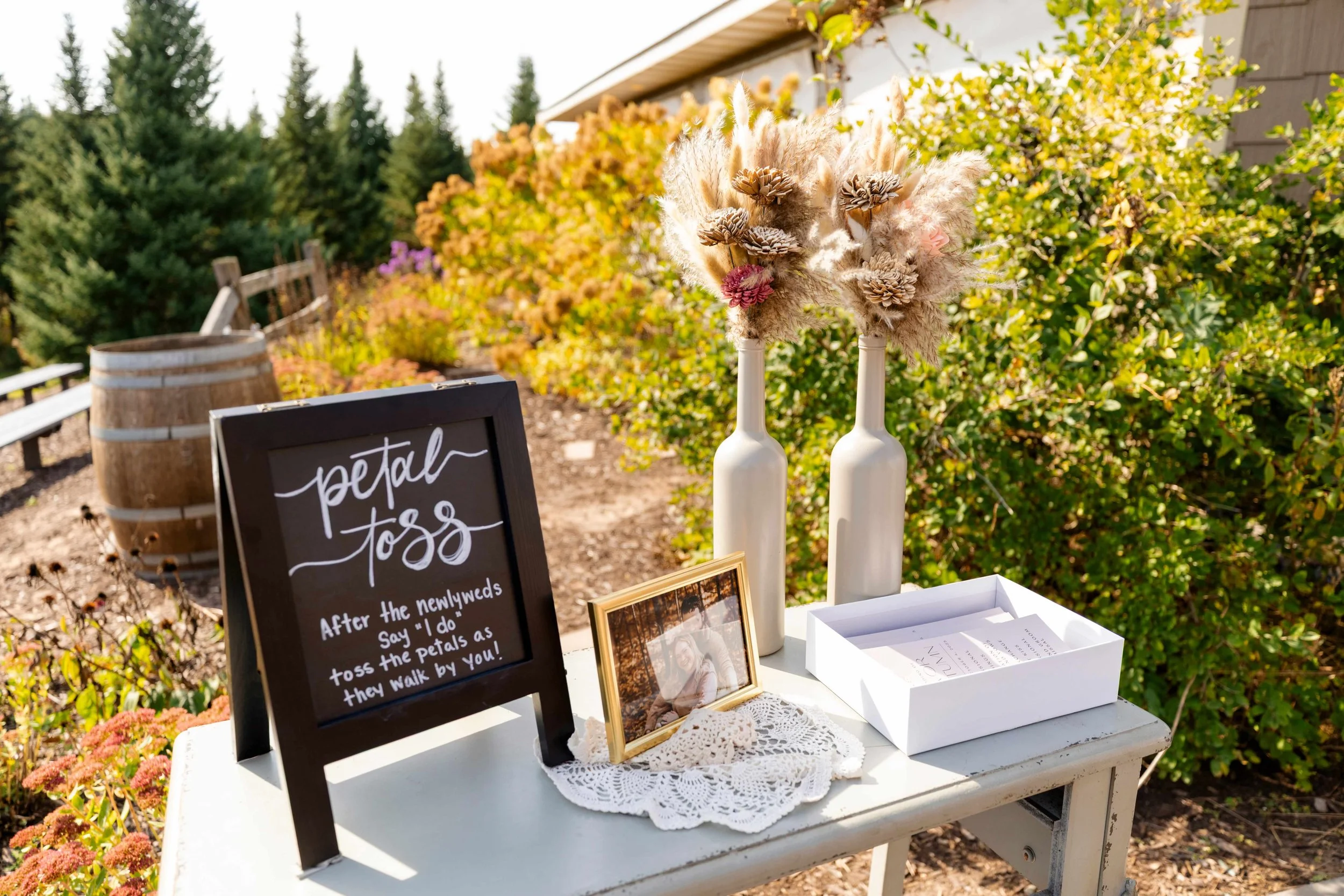
In addition to saving money, DIY decor allows you to incorporate personal touches and meaningful details into your wedding. Consider using photos, mementos, and other personal items as part of your decor to create a truly unique and memorable celebration. By getting creative and putting in a little extra effort, you can achieve a beautiful and personalized wedding without breaking the bank.
Utilizing Technology and Apps for Budget Management
In today's digital age, there are numerous tools and apps available to help you manage your wedding budget effectively. One of the most valuable resources is a wedding budget calculator, which can help you track your expenses and ensure that you stay within your financial limits. Many wedding planning websites and apps offer budget calculators that allow you to input your total budget and allocate funds to different categories. These tools can provide a clear overview of your spending and help you identify areas where you may need to cut back.
In addition to budget calculators, consider using a wedding planning app to keep all of your planning details organized in one place. These apps often include features for managing your guest list, tracking RSVPs, and communicating with vendors. By keeping all of your information in a centralized location, you can stay organized and reduce the stress of wedding planning. Some popular wedding planning apps & budget tracker include WeddingWire, The Knot, and Zola.
Another useful tool for managing your wedding budget is a shared spreadsheet or budget tracker. Platforms like Google Sheets allow you to create a budget spreadsheet that you can share with your partner and any other contributors. This collaborative approach ensures that everyone is on the same page and can easily track expenses in real-time. By leveraging technology and utilizing the right tools, you can simplify the budgeting process and ensure that your wedding planning stays on track.
Conclusion: Staying Flexible and Enjoying the Planning Process
As you navigate the journey of planning your dream wedding, it's important to stay flexible and open to adjustments. While having a budget is essential, remember that unexpected expenses and changes are inevitable. Embrace these moments as opportunities to get creative and find alternative solutions that align with your vision and financial goals. Flexibility will not only help you manage your budget more effectively but also reduce stress and make the planning process more enjoyable.
Don't forget to take time to celebrate the small victories and milestones along the way. Wedding planning can be overwhelming, but it's also a time of excitement and anticipation. Set aside moments to enjoy the process with your partner, whether it's a date night to discuss wedding details or a weekend getaway to take a break from planning. These moments will help you stay connected and remind you of the joy and love that your wedding day represents.
Finally, remember that the most important aspect of your wedding is the celebration of your love and commitment to each other. While it's natural to want everything to be perfect, focus on what truly matters: the beginning of your new life together. By staying flexible, prioritizing your expenses, and utilizing the right resources, you can create a beautiful and memorable wedding that reflects your unique love story without breaking the bank. Enjoy the journey and cherish every moment as you prepare for your special day.
Conclusion
Planning a dream wedding on a budget is entirely achievable with a thoughtful and strategic approach. By prioritizing what matters most, creating a realistic budget, and exploring cost-saving alternatives, you can design a day that is both beautiful and financially responsible. Remember that the essence of your wedding lies in the love and commitment you share, and that can shine through regardless of how much you spend. From DIY decorations to leveraging the talents of your network, there are countless ways to make your big day special without breaking the bank. Embrace the journey, enjoy the process, and celebrate the start of your new life together in a way that reflects your values and budget.